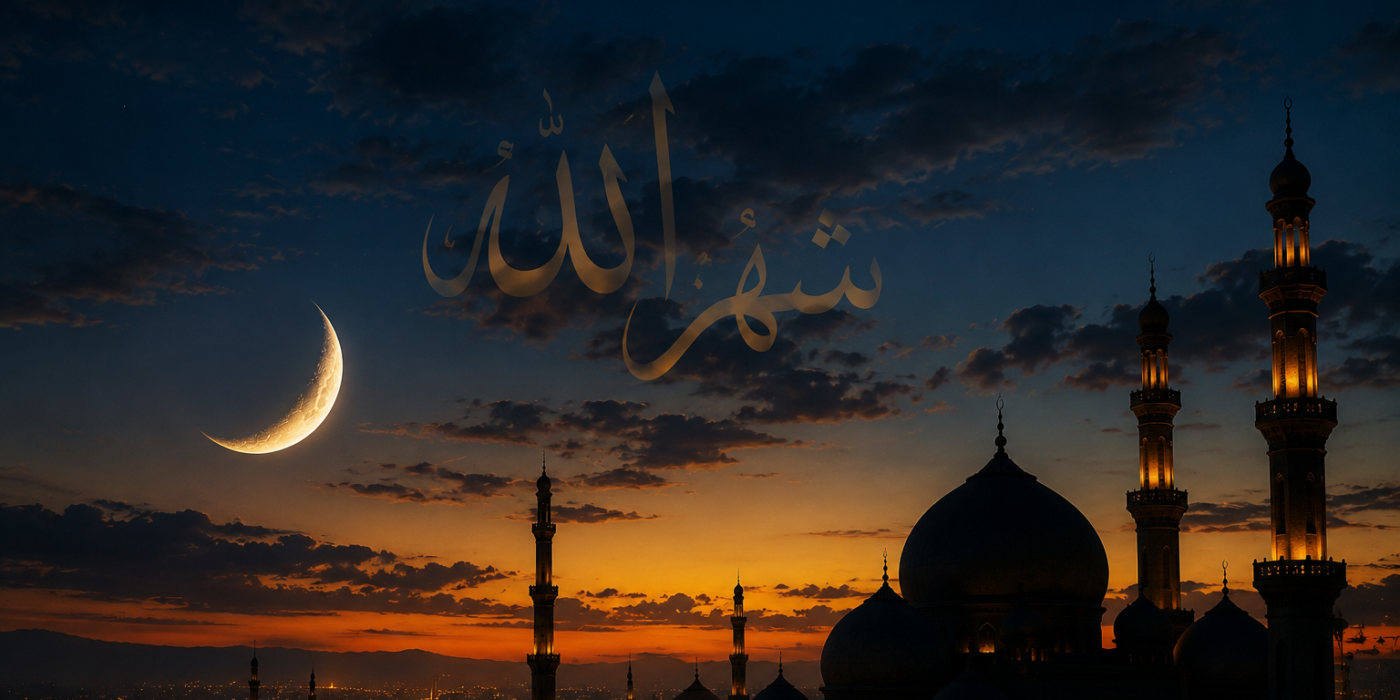
5 Virtues of Muharram ul Haram Every Muslim Should Know
We are in the heart of Muharram ul Haram 1448 — the first and most sacred month of the Islamic (Hijri) calendar. While many Muslims know that fasting on Ashura is recommended, far fewer are aware of just how extraordinary this entire month is. Today we explore five virtues of Muharram ul Haram that every Muslim should know, backed by Quran and authentic Hadith.
What Makes Muharram ul Haram Special?
Allah ﷻ declared in the Quran:
إِنَّ عِدَّةَ الشُّهُورِ عِندَ اللَّهِ اثْنَا عَشَرَ شَهْرًا فِي كِتَابِ اللَّهِ يَوْمَ خَلَقَ السَّمَاوَاتِ وَالْأَرْضَ مِنْهَا أَرْبَعَةٌ حُرُمٌ
Indeed, the number of months with Allah is twelve lunar months in the register of Allah from the day He created the heavens and earth; of these, four are sacred. (Surah At-Tawbah: 36)
The four sacred months are Dhul Qa’dah, Dhul Hijjah, Muharram, and Rajab. Among these, Muharram holds the unique distinction of being called Shahr Allah — the Month of Allah — a title the Prophet ﷺ gave to no other month.
Virtue 1 — It Is the Month of Allah
The Prophet Muhammad ﷺ said:
«أَفْضَلُ الصِّيَامِ بَعْدَ رَمَضَانَ شَهْرُ اللَّهِ الْمُحَرَّمُ»
The best fasting after Ramadan is the month of Allah, Muharram. (Sahih Muslim)
Scholars note that attributing the month to Allah directly — Shahr Allah — is a sign of its immense honour. In the same way the Kaaba is called Bayt Allah (House of Allah) to indicate its status, Muharram is the month that belongs most intimately to Him.
Virtue 2 — The Best Voluntary Fast after Ramadan
The same Hadith above tells us that voluntary fasts in Muharram carry the highest reward of any month outside of Ramadan. The Prophet ﷺ specifically highlighted the fast of Ashura (the 10th of Muharram), saying it expiates the sins of the entire previous year:
«أَحْتَسِبُ عَلَى اللَّهِ أَنْ يُكَفِّرَ السَّنَةَ الَّتِي قَبْلَهُ»
I hope from Allah that fasting on Ashura will expiate the sins of the previous year. (Sahih Muslim)
If you missed Ashura this year (10 Muharram, June 26 in Pakistan), do not be discouraged. The entire month is an open door for voluntary fasting, and even two rakʿahs of Tahajjud in Muharram carry multiplied reward.
Virtue 3 — Good Deeds Are Multiplied
In the sacred months, the weight of both good deeds and sins is greater than in ordinary months. This means every prayer, every act of charity, every recitation of Quran, and every moment of dhikr you perform in Muharram carries amplified reward. The scholars explain this as part of Allah’s special mercy — He creates windows of opportunity where small deeds yield enormous returns.
Practical application: increase your daily wird (routine of worship). Add 100 istighfar, 100 durood, and at least one para of Quran to your day during Muharram. The investment is small; the return is enormous.
Virtue 4 — It Marks the Islamic New Year
Muharram is the first month of the Hijri calendar — a calendar established by the companions of the Prophet ﷺ during the caliphate of Sayyiduna Umar رضي الله عنه. The Islamic year begins not with celebration and fireworks but with fasting, prayer, and sincere repentance. This is deeply meaningful: Islam teaches us that a new beginning should be marked by turning toward Allah, not by turning away.
Use these remaining days of Muharram 1448 to set your intentions for the year ahead. What do you want to change? What bad habit will you leave? What ibadah will you begin? Make dua now — these are among the most accepted moments of the year.
Virtue 5 — It Commemorates Allah’s Mercy on Prophet Musa ﷺ
When the Prophet ﷺ arrived in Madinah, he found the Jewish community fasting on the 10th of Muharram. He asked why, and they explained it was the day Allah saved Prophet Musa (Moses) علیہ السلام and the Children of Israel from Pharaoh, drowning Pharaoh in the sea. The Prophet ﷺ responded:
«نَحْنُ أَحَقُّ بِمُوسَى مِنْكُمْ»
We are more deserving of Musa than you. (Sahih Bukhari & Muslim)
He then fasted himself and instructed the companions to fast as well. Ashura is thus a day that connects the entire lineage of the Prophets — a reminder that the message of Tawheed is one, the mercy of Allah is constant, and His power over tyrants is absolute.
What to Do for the Remaining Days of Muharram 1448
Today is the 16th of Muharram — there are still around 14 days left. Here is a practical checklist:
- Fast on Mondays and Thursdays — the Prophet ﷺ fasted on these days regularly, and doing so in a sacred month multiplies the reward further.
- Pray Tahajjud at least 2 rakʿahs — set an alarm for 1.5 hours before Fajr. Check accurate Fajr times for your city on our Namaz Times page.
- Give sadaqah daily — even a small amount. Charity in Muharram carries the weight of charity in a sacred month.
- Make sincere tawbah — the month of Allah is the ideal time to wipe the slate clean before moving deeper into 1448.
- Recite Quran with reflection — aim to complete at least one juz before Muharram ends.
Common Misconceptions About Muharram
It is important to note what Muharram is not. It is not a month of mourning or grief. The practice of chest-beating, public lamentation, and processions of self-harm have no basis in the Sunnah of the Prophet ﷺ. Muharram is a month of worship, gratitude, fasting, and drawing close to Allah — not a month of sorrow. Celebrate what Allah did for Prophet Musa ﷺ by fasting and thanking Him.
Conclusion
Muharram ul Haram is a gift that arrives once a year. It is the month of Allah, the month of the best voluntary fasts, the month of multiplied deeds, the marker of the Islamic New Year, and a commemoration of divine mercy. Do not let these final days of Muharram 1448 pass without making the most of them.
May Allah ﷻ accept our worship, forgive our sins, and make us of those who honour His sacred months. Ameen.
Check accurate Namaz times for your city at our Namaz Times page, and find Islamic events near you in the Events section.