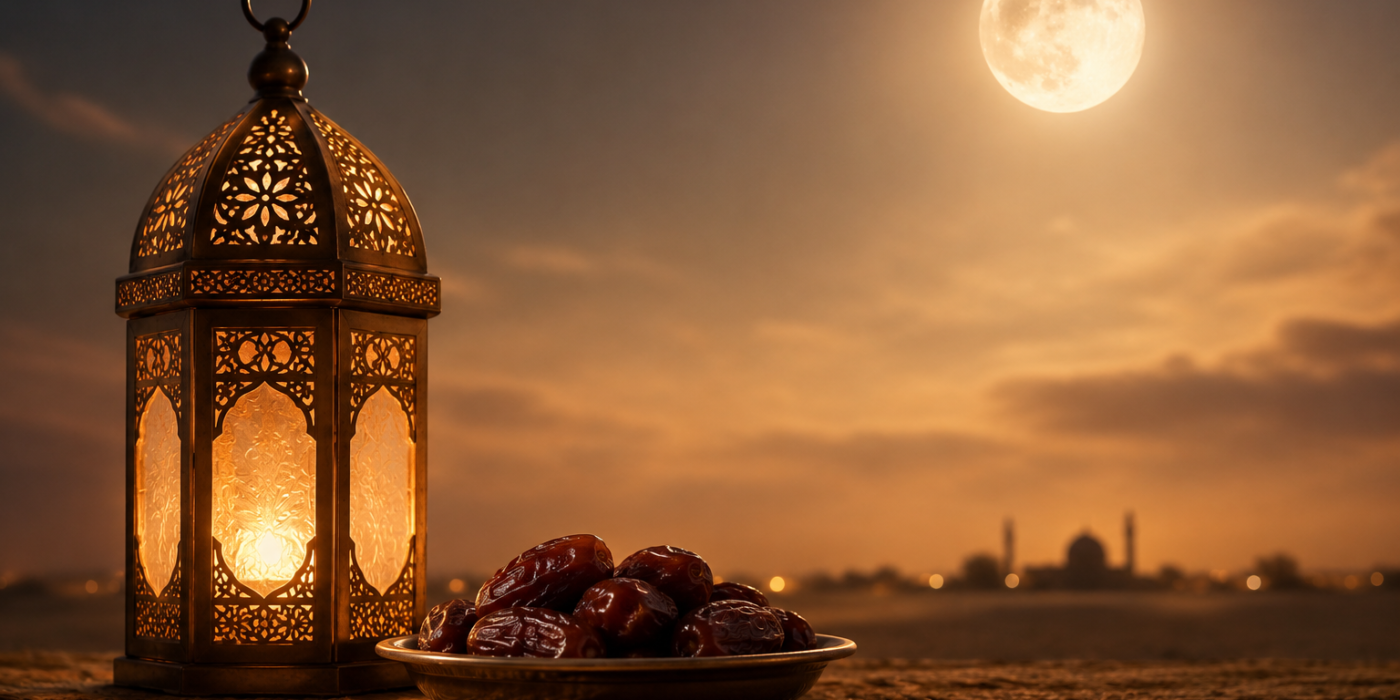
Ayyam al-Beedh in Safar 1448: White Days Fasting Dates (28-30 July 2026) and Complete Sunnah Guide
Nine days from now, the moon over Pakistan will swell into a full, silver disc — and with it comes one of the most quietly powerful Sunnahs a believer can revive this month. From Monday, 28 July to Wednesday, 30 July 2026, Muslims around the world will observe Ayyam al-Beedh, the White Days of Safar 1448 AH. It is a small commitment — three days, one intention — but the Prophet ﷺ described its reward as equal to fasting an entire lifetime.
If you’ve read our guide on the real meaning of Safar and why the “unlucky month” myth is false, you already know Safar is simply an ordinary, blessed month like any other. This is where that guidance becomes practical: an exact, dated, step-by-step plan for reviving one of the most rewarding Sunnahs of the Islamic calendar, right here in Safar.
What Are Ayyam al-Beedh (The White Days)?
Ayyam al-Beedh — literally “the white days” — refers to the 13th, 14th, and 15th of every Hijri month. Scholars explain the name comes from the moon itself: on these three nights, the moon is at its fullest and brightest, illuminating the sky from dusk until dawn. Where the first and last nights of a lunar month are dark, these middle nights glow — and the Prophet ﷺ tied a specific act of worship to that glow.
This isn’t a one-time event. It repeats every single Hijri month, twelve times a year. But most Muslims only remember it occasionally, usually when a reminder happens to reach them at the right time. Safar 1448 is a perfect opportunity to turn it into a habit that carries you into Rabi al-Awwal and beyond.
When Do the White Days Fall in Safar 1448 AH?
Based on the Umm al-Qura calendar for 1448 AH, here are the exact dates for this month:
| Hijri Date | Gregorian Date 2026 | Day |
|---|---|---|
| 13 Safar 1448 | 28 July | Monday |
| 14 Safar 1448 | 29 July | Tuesday |
| 15 Safar 1448 | 30 July | Wednesday |
Since moon sighting can shift a fast by a day, it’s always wise to confirm the local Ruet-e-Hilal announcement before the 27th of this month. You can check accurate daily prayer and Islamic date updates on our Mahfil homepage.
Notably, this cycle’s White Days fall on a Monday and include the two days the Prophet ﷺ separately encouraged fasting on — Monday and Thursday — meaning Monday, 28 July, carries a double Sunnah for anyone who fasts it.
The Hadith Evidence: Why the Prophet ﷺ Recommended This Fast
This practice isn’t a cultural custom picked up over generations — it’s directly rooted in authentic hadith. Abu Dharr (RA) narrated that the Prophet ﷺ personally instructed him to fast the 13th, 14th, and 15th of every month whenever he wanted to fast just a few days (Sunan an-Nasa’i). In another narration, Abdullah ibn Amr ibn al-As (RA) reported that the Prophet ﷺ explained that fasting three days a month equals fasting for a lifetime, since Allah multiplies each good deed tenfold — three days become effectively thirty.
A third companion, Abu Hurairah (RA), said the Prophet ﷺ personally advised him never to abandon three habits until he died: fasting three days each month, praying two rak’ahs of Duha, and praying Witr before sleeping. Together, these narrations show that this wasn’t a minor suggestion — it was part of the Prophet’s ﷺ own consistent worship routine, one he actively taught to the people closest to him.
Why “Three Days = A Lifetime” Makes Mathematical Sense
- Allah rewards every good deed at a minimum of ten times its value
- Three fasted days therefore count as thirty days of reward
- Thirty days roughly equals one lunar month
- Doing this every month for a year mirrors fasting the entire year
Spiritual and Practical Benefits of Fasting the White Days
1. A Full Month’s Reward for Three Days of Effort
For those who cannot fast frequently due to work, health, or family responsibilities, this is one of the most efficient forms of worship available. Three days a month is sustainable for almost anyone, yet the reward is described as equivalent to constant fasting.
2. Builds the Habit of Self-Discipline
Fasting outside of Ramadan trains a different kind of patience — the kind practiced quietly, without the shared community energy of the fasting month. It strengthens willpower in daily life: at work, during arguments, in moments of temptation.
3. A Gate to Increased Dua and Dhikr
Many people find their days of fasting naturally become their most spiritually productive — more Qur’an recitation, more dhikr, more sincere dua before iftar. If you’re looking to deepen this further, our piece on why remembering Allah changes everything pairs naturally with a fasting day.
4. Trains Sabr (Patience) in a Structured Way
Voluntary fasting is one of the clearest, most physical expressions of sabr in daily life. We explored this deeply in our guide to the power of Sabr — White Days fasting is essentially that concept put into action.
5. Falling on Monday Adds a Second Sunnah
The Prophet ﷺ mentioned that deeds are presented to Allah on Mondays and Thursdays, and that he loved his deeds to be presented while he was fasting. Since 28 July 2026 is a Monday, fasting that day combines two Sunnahs in a single act of worship.
How to Make the Intention (Niyyah)
Unlike Ramadan, the intention for a voluntary fast does not need to be made the night before. As long as you haven’t eaten, drunk, or done anything that breaks a fast, you can form the intention any time before midday (Zawal) and your fast will still count.
The traditional Arabic intention recited by many scholars is:
“Nawaitu sawma ghadin ‘an ada’i sunnati Ayyamil Beedh lillahi ta’ala.”
(“I intend to fast tomorrow, fulfilling the Sunnah of the White Days, for the sake of Allah, the Most High.”)
You don’t need to say this out loud — a sincere intention in the heart is sufficient. The Arabic wording is simply a common tradition, not a requirement.
Step-by-Step: How to Observe the White Days Fast
- Before Fajr (optional): Eat a light suhoor if you wish — it isn’t obligatory for voluntary fasts, but it helps sustain energy.
- Form your intention: Any time before midday if you didn’t set it the night before.
- Fast normally: Abstain from food, drink, and marital relations from dawn until sunset, exactly as in Ramadan.
- Increase acts of worship: Use the day for extra Qur’an recitation, dhikr, and dua — many find fasting days sharpen focus in prayer.
- Break your fast at Maghrib: A date and water are Sunnah, following the Prophet’s ﷺ own practice.
- Repeat for all three days if possible — though even fasting one or two of the three still carries reward.
Who Should Avoid Fasting the White Days?
Because this is a voluntary fast, Islam is deliberately flexible about who should take part. The following groups are either exempted or advised to consult a scholar before committing:
- Travelers: Permitted to skip and make up the fast later, or simply let it pass since it is voluntary.
- Pregnant or breastfeeding women: Should prioritize their own and their child’s health; the reward for intention alone is still recorded if they were unable to fast.
- Those with chronic illness or on essential medication: Speak to your doctor first — voluntary worship should never come at the cost of your health.
- Menstruating women: Fasting is not valid during menstruation; simply choose three other days later in the month.
- Anyone with an already demanding physical job: It’s better to fast one day well than attempt three days and become unable to fulfil work or family responsibilities.
The wisdom behind Sunnah fasting is consistency, not hardship. The Prophet ﷺ himself warned against extremism in worship, reminding his companions that the religion is meant to be practiced with ease and balance.
Common Mistakes to Avoid
Waiting for a “Perfect” Month to Start
Many people plan to start fasting the White Days “next month” indefinitely. Safar 1448 is happening now — the most practical time to build a habit is the very next opportunity on the calendar, not a hypothetical future one.
Treating It Like a Checklist Instead of Worship
It’s easy to fast out of habit while forgetting the spiritual purpose. Pair the fast with genuine reflection — a few minutes of Qur’an, a sincere dua at iftar, or quiet dhikr during the day — so the fast nourishes the heart, not just discipline.
Skipping the Intention Because “It’s Just a Small Fast”
Even a voluntary fast needs a clear intention to count as an act of worship rather than simply skipping meals. Taking thirty seconds to consciously form the niyyah changes the entire nature of the day.
Not Adjusting for Local Moon Sighting
Dates calculated from the Umm al-Qura calendar can occasionally shift by a day depending on regional moon sighting announcements. Always confirm with your local Ruet-e-Hilal Committee announcement closer to the date, particularly if you’re fasting based on a printed or app-based calendar.
Making Safar Count: Beyond Just Fasting
The White Days fast pairs naturally with the wider spirit of Safar — a month the Prophet ﷺ himself used productively rather than superstitiously. If your local community hosts a Majlis, dars, or gathering around these dates, consider attending as a way to combine fasting with collective remembrance. You can browse upcoming Islamic gatherings, Majalis, and community Mahafil near you on our Events page, and check accurate daily Namaz timings to plan your Suhoor and Iftar precisely around Fajr and Maghrib.
Families can also use these three days as a gentle introduction to fasting for older children — not by forcing a full fast, but by involving them in Suhoor, explaining the intention, and letting them experience Iftar as a small celebration of consistency and gratitude.
Frequently Asked Questions
Is fasting the White Days obligatory?
No. It is a confirmed Sunnah (Sunnah Mu’akkadah) — highly encouraged and consistently practiced by the Prophet ﷺ, but not obligatory like Ramadan.
What if I can only fast one or two of the three days?
That’s still permissible and rewarded. Scholars note the days do not need to be consecutive — you may substitute any three days in the month if the 13th–15th don’t work for your schedule.
Can women who are unable to fast substitute other days?
Yes. If a woman is unable to fast on these specific dates, she may choose any other three days later in the same month to gain the same reward.
Does fasting in Safar carry any special extra virtue over other months?
The White Days themselves carry the same reward every month — Safar isn’t specially elevated over other months for this particular fast. What makes this month worth highlighting is simply timing: it’s the next opportunity on the calendar to revive the habit.
Can I combine this fast with a missed Ramadan (Qada) fast?
According to the Hanafi school, yes — you may combine the intention for a missed Ramadan fast with the White Days. It’s best to prioritize the obligatory fast in your intention.
What should I recite or do if I break my fast at Maghrib?
Follow the Prophet’s ﷺ Sunnah: break the fast with dates and water if available, then make sincere dua, as this moment is considered a time when supplications are especially accepted.
Carrying This Habit Beyond Safar
The real value of the White Days isn’t in any single month — it’s in repetition. Mark your calendar now for the next cycle in Rabi al-Awwal, and the one after that. Over a year, twelve small three-day commitments quietly add up to something that mirrors a lifetime of fasting, exactly as the Prophet ﷺ described.
Safar has already given us one lesson this month: that fear and superstition have no place in a Muslim’s relationship with time. The White Days offer the second lesson — that consistency, even in small doses, is what the Prophet ﷺ modeled and loved most. Set a reminder, make the intention, and let these three quiet days in Safar become the start of a habit that follows you through the rest of the Islamic year.