Dua for Milad: What to Recite at a Milad Gathering
Quick answer: Milad gatherings typically close with a collective dua asking for blessings upon the Prophet ﷺ, forgiveness, and mercy for those present and the wider community. There’s no single fixed wording required. Below is a common structure many gatherings follow.
Why Dua Is a Central Part of Milad
As covered in our piece on Mahfil, gatherings held for remembrance carry a specific significance in hadith. The dua at the close of a Milad brings that remembrance to a personal request: for the attendees, their families, and often for those who couldn’t be present.
A Common Structure for Milad Dua
- Praise of Allah. Opening with Alhamdulillah and recognition of Allah’s mercy in gathering everyone present.
- Durood and Salawat. Sending blessings upon Prophet Muhammad ﷺ, often the most extended portion of the dua, since the gathering itself centers on his birth and life.
- Dua for the attendees. Asking forgiveness, guidance, and well-being for everyone present.
- Dua for the wider Ummah. Extending the request beyond the room to Muslims more broadly.
- Dua for the deceased, if the gathering has that intention, similar to the dua covered in our Chehlum article.
- Closing with Ameen, said collectively.
A Simple Durood to Include
اللَّهُمَّ صَلِّ عَلَى مُحَمَّدٍ وَعَلَى آلِ مُحَمَّدٍ
Transliteration: Allahumma salli ala Muhammadin wa ala aali Muhammad
Meaning: O Allah, send blessings upon Muhammad and upon the family of Muhammad.
This short durood is widely known and easy for an entire gathering to recite together, even attendees who don’t have a longer dua memorized.
A General Dua for the Gathering
اللَّهُمَّ اغْفِرْ لِلْمُؤْمِنِينَ وَالْمُؤْمِنَاتِ
Transliteration: Allahummaghfir lil-mu’mineena wal-mu’minaat
Meaning: O Allah, forgive the believing men and believing women.
A short, inclusive line often added toward the end of a Milad gathering’s dua, covering the wider community rather than only those physically present.
Who Typically Leads the Dua?
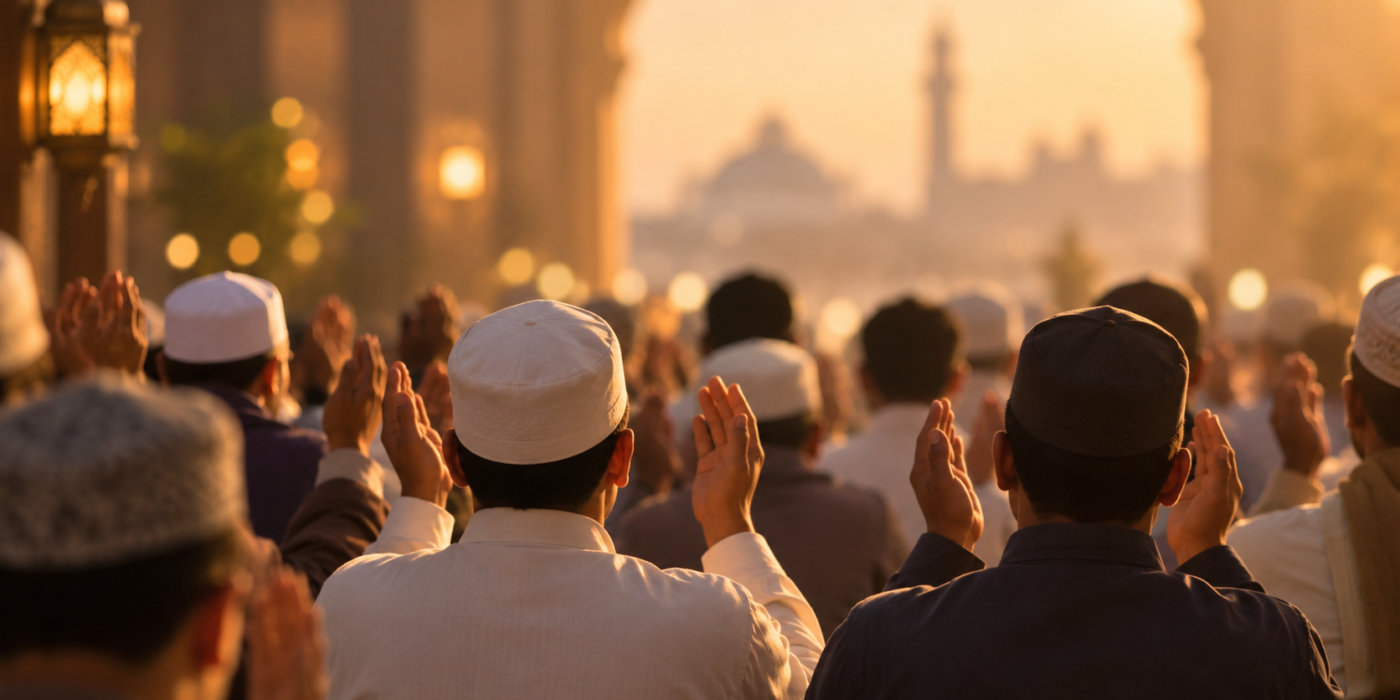
Usually the khateeb, Qari, or host of the gathering leads, with attendees raising their hands and repeating Ameen at natural pauses. As covered in our separate article on dua etiquette, the same general principles apply here: sincerity, raised hands, and genuine attention rather than a rushed formality to close the event.
Frequently Asked Questions
Is there one official, required dua for Milad?
No. There’s no single fixed text that must be recited. The structure above reflects common practice, but wording varies by community, host, and tradition.
Can I recite a personal dua silently while the collective dua is being made?
Yes. Many people add personal, silent requests during the pauses in a collective dua, alongside saying Ameen to the dua being led aloud.
Should the dua be recited in Arabic, Urdu, or English?
Any language is valid. Many gatherings use Arabic for the durood and switch to Urdu or English for more specific requests, so attendees understand exactly what’s being asked.
Conclusion
The dua at the close of a Milad doesn’t need elaborate or memorized wording to be meaningful. A short durood, a request for forgiveness, and sincere attention from everyone present carry the actual weight, not the length or formality of what’s recited.
Planning a Milad? See our full planning checklist, or list your event once it’s arranged.