Surah Al-Kahf: Virtue, Friday Recitation, and What It Contains
Quick answer: Surah Al-Kahf is the 18th chapter of the Quran, recommended for recitation every Friday. Hadith describes a light that illuminates a reciter between two Fridays, and the surah is widely understood as protection against the trial of the Dajjal.
What Is Surah Al-Kahf?
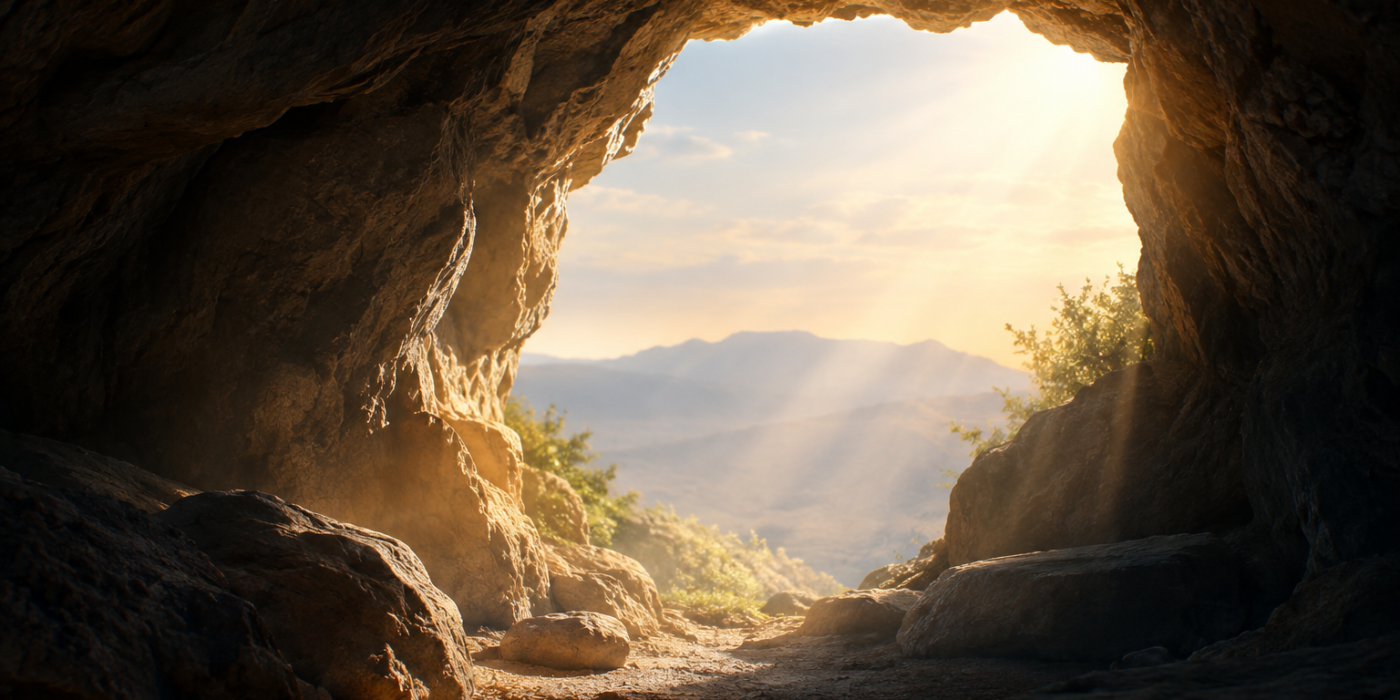
Al-Kahf (الكهف), “The Cave,” is the 18th surah of the Quran, containing 110 verses. It takes its name from the account of a group of young believers who took refuge in a cave to protect their faith, a story covered within it alongside three other well-known narratives.
Why Friday Specifically?
A well-known hadith states that whoever recites Surah Al-Kahf on the day of Jumu’ah will have light illuminate them between that Friday and the next. This is the primary reason the surah is so closely associated with Friday specifically, and why searches for it spike weekly around that day for millions of people, not only during Ramadan or other specific occasions.
The Four Stories Within Surah Al-Kahf
1. The People of the Cave (Ashab al-Kahf)
A group of young men who fled persecution for their faith and were sheltered in a cave, where Allah caused them to sleep for what the Quran describes as a very long period, waking to find their society had changed entirely.
2. The Owner of Two Gardens
A parable about a wealthy man who grew arrogant over his possessions and dismissed the reality of the Hereafter, contrasted with a more humble companion who reminded him of Allah’s power.
3. Musa and Al-Khidr
An account of Prophet Musa (Moses, peace be upon him) traveling with a figure often identified as Al-Khidr, who performs a series of actions that appear troubling on the surface but are later revealed to carry hidden wisdom Musa wasn’t initially permitted to question.
4. Dhul-Qarnayn
A powerful, righteous ruler who travels extensively, including building a barrier to protect a people from a destructive force, understood by many scholars as connected to the descriptions of Gog and Magog (Yajuj and Majuj) elsewhere in Islamic tradition.
Why It’s Linked to Protection From the Dajjal
Hadith specifically connects memorizing or reciting the opening verses of Surah Al-Kahf to protection from the trial of the Dajjal, a major sign preceding the Day of Judgment covered in our separate article on Qiyamah. The surah’s stories of steadfast faith under pressure, from the Cave dwellers to Dhul-Qarnayn, are often understood as thematically tied to this protective quality, not merely a coincidental pairing.
How to Build the Habit of Weekly Recitation
- Set aside time specifically on Thursday night or Friday, rather than hoping to fit it in randomly during a busy day.
- Start with a portion if 110 verses feels long at first, and build up to the full surah over time.
- Read the translation alongside the Arabic, especially for the four stories, since the lessons within them are substantial and easy to miss without understanding the meaning.
Frequently Asked Questions
Does Surah Al-Kahf need to be recited on Friday specifically, or does any day work?
The specific hadith reward described is tied to Friday. Reciting it on other days remains valuable as general Quran recitation, but the particular light described in that hadith is linked to Jumu’ah.
Is it necessary to recite the entire surah, or do the first few verses suffice?
The protection from the Dajjal specifically is described in hadith in connection with the opening verses, while the Friday light hadith refers to the recitation more broadly. Reciting the full surah when possible captures both.
Can Surah Al-Kahf be recited from a translation instead of Arabic?
For the specific recitation reward described in hadith, the Arabic text is what’s referenced; reading the translation alongside it for understanding is encouraged, but doesn’t substitute for the Arabic recitation itself.
Conclusion
Surah Al-Kahf’s weekly rhythm, tied specifically to Friday, makes it one of the most consistently searched and recited portions of the Quran for a reason: four stories about wealth, knowledge, power, and faith under pressure, revisited every single week rather than once and set aside.
See our related piece on Surah Al-Fatiha, and check your local Namaz Times for Jumu’ah prayer timing.