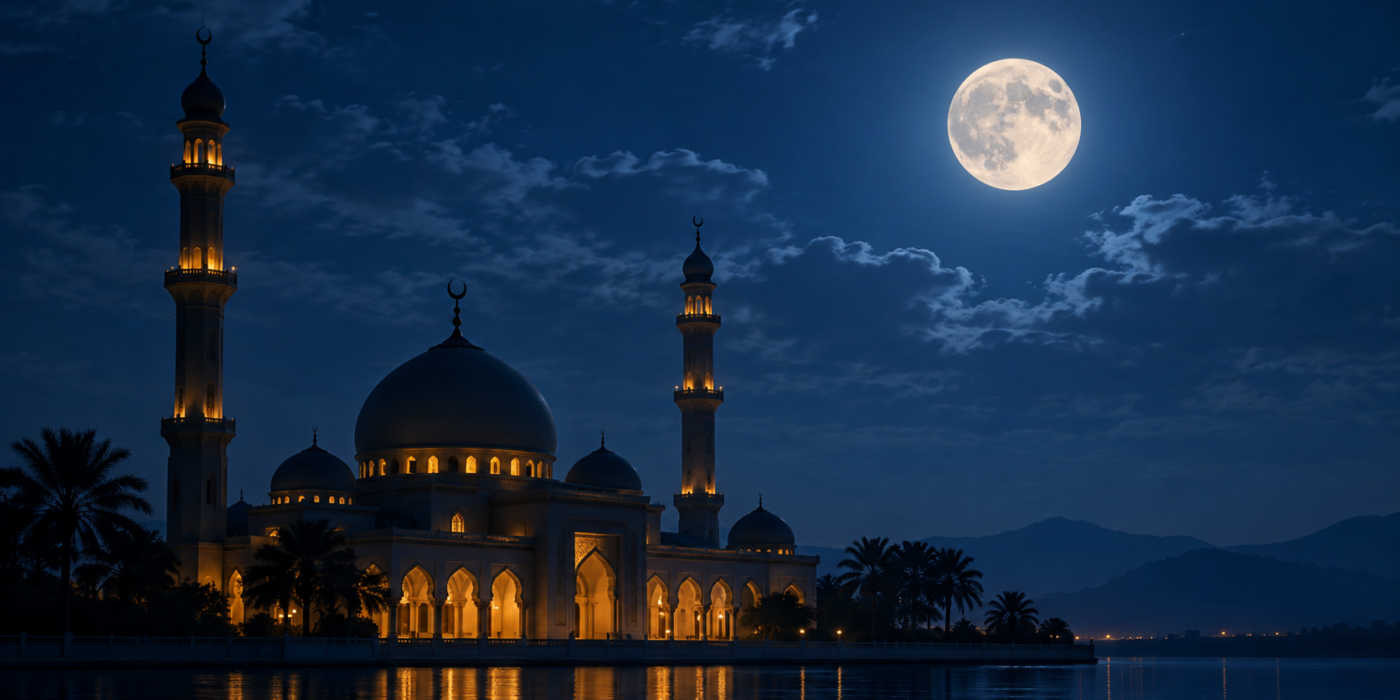
Nisf Sha’ban (Shab-e-Barat): Meaning and Practices
Quick answer: Nisf Sha’ban, the 15th night of the month of Sha’ban, is widely observed with extra worship, dua, and sometimes fasting the following day. Hadith describing its specific virtues carry varying degrees of authenticity among scholars, though the underlying practices of increased worship are well-grounded.
What Is Nisf Sha’ban?
Nisf Sha’ban (نصف شعبان, “the middle of Sha’ban”) refers to the 15th night of Sha’ban, the month immediately preceding Ramadan. In South Asia, it’s widely known as Shab-e-Barat. It’s observed by many communities with increased night prayer, Quran recitation, and dua, as a form of spiritual preparation heading into Ramadan.
A Note on the Hadith Evidence
It’s worth being upfront about something many articles on this topic skip over: the specific hadith describing extraordinary, unique virtues tied precisely to the 15th night of Sha’ban carry a range of scholarly opinions on their authenticity, with some considered weak by certain hadith scholars. This doesn’t mean the night has no basis at all; broader, well-established hadith describe the Prophet ﷺ fasting more frequently during Sha’ban generally, and the practice of increased worship ahead of Ramadan has real grounding. The specific claims and rituals that developed around this one particular night, however, vary more in their textual strength than some popular sources suggest.
What’s Generally Practiced on This Night
- Extra voluntary night prayer, similar in spirit to the Tahajjud covered elsewhere on this site.
- Quran recitation, often including specific surahs by local tradition.
- Sincere dua and istighfar, covered in more depth in our separate article.
- Fasting the following day, observed by some as a voluntary practice, tied to the Prophet’s ﷺ broader habit of fasting frequently during Sha’ban.
- Visiting graves and making dua for deceased relatives, a practice observed in many communities on this night specifically.
Why Sha’ban Generally Matters, Separate From This One Night
Beyond the 15th night specifically, Sha’ban as a whole month holds real significance. Hadith describes the Prophet ﷺ fasting more during Sha’ban than any other month besides Ramadan, when asked why, he described it as a month people often overlook, positioned between the sacred months and Ramadan, in which deeds are raised up to Allah. This broader context is arguably better established than claims tied to the single night alone.
Common Practices Worth Approaching Thoughtfully
Some local customs around Shab-e-Barat, elaborate fireworks, specific large-scale communal rituals, or claims of guaranteed outcomes tied to particular acts that night, have drawn caution from various scholars as going beyond what’s textually established. Increased sincere worship, dua, and reflection remain the core, well-supported elements worth focusing on.
Frequently Asked Questions
Is fasting on the 15th of Sha’ban obligatory?
No. Any fasting connected to this day is voluntary, tied to the broader, well-established practice of increased fasting during Sha’ban rather than a specific obligation for this one date.
Should I avoid observing Nisf Sha’ban entirely given the debated hadith?
This is a matter scholars themselves differ on. Many continue to recommend sincere worship on this night within reasonable bounds, grounded in the broader virtue of Sha’ban, while cautioning against specific claims or practices not well-supported by authentic sources.
What’s the relationship between Nisf Sha’ban and Laylat al-Qadr?
They’re separate occasions, roughly two weeks apart. Laylat al-Qadr, within the last ten nights of Ramadan, has considerably stronger and more specific textual support than claims tied to the 15th of Sha’ban.
Conclusion
Nisf Sha’ban is best approached with genuine sincerity in worship, grounded in what’s well-established about Sha’ban’s general virtue, rather than every specific claim circulated about the night itself. Increased dua, recitation, and reflection ahead of Ramadan carry real value regardless of exactly how the more debated details are weighed.
See our related pieces on Ramadan fasting and istighfar, and check the current date on our Islamic Calendar.